
Understanding Brain Cancer in the Simplest Terms
Let’s face it, hearing the word glioblastoma can feel overwhelming. It sounds like something out of a sci-fi movie. But behind the big word is a very real, very scary condition that affects thousands of people every year. If you or someone you love has been diagnosed with glioblastoma, I’m here to explain what it is, what it does, and what can be done about it in simple terms.
So, What Is Glioblastoma?
Let’s break it down.
Glioblastoma is a type of brain cancer. It’s known as the most aggressive and fast-growing kind of brain tumour in adults.
It starts in glial cells, which are like the “helpers” of your brain. These cells support the neurons, the cells that send messages in your brain. When something goes wrong in how glial cells grow or divide, a tumour can form. In glioblastoma, this tumour grows quickly and tends to spread into nearby brain tissue, almost like roots of a tree.
Where Does It Happen?
Glioblastomas usually grow in the cerebrum, the largest part of your brain, the one responsible for thinking, memory, emotions, and movement. Because of that, symptoms can vary widely depending on where the tumour is.
What Are the Symptoms?
Everyone’s experience is different, but here are some common signs:
- Headaches (often worse in the morning)
- Memory problems or personality changes
- Confusion
- Nausea
- Seizures
- Weakness on one side of the body
- Vision changes
Keep in mind: these symptoms don’t always mean it’s glioblastoma, but if they show up suddenly or get worse quickly, it’s time to talk to a doctor.
Why Does It Happen?
Here’s the honest truth: doctors and scientists still don’t fully understand what causes glioblastoma.
It usually doesn’t run in families and isn’t linked to lifestyle choices. The cells in the brain start to grow and divide in the wrong way, and no one knows exactly why.
How Is It Treated?
Glioblastoma is tough. It’s what doctors call “high-grade,” meaning it grows fast and is hard to remove completely. But there are treatments, and doctors use a team approach to give patients the best possible care.
Here’s what that might include:
- Surgery: First, doctors try to remove as much of the tumour as possible without damaging healthy brain tissue.
- Radiation therapy: High-energy rays target and kill remaining cancer cells.
- Chemotherapy: Pills or IV medicines that help destroy cancer cells.
- Clinical trials: Some patients join research studies to try new treatments that aren’t widely available yet.
The goal of treatment is to slow the tumour’s growth, ease symptoms, and help people live as fully as possible.
Living With Glioblastoma
A glioblastoma diagnosis changes life in a heartbeat, for the patient and for their loved ones. But there is still room for hope, connection, and quality of life.
People with GBM are supported by a team of professionals — not just doctors and nurses, but also counsellors, physical therapists, and sometimes holistic care providers.
Support groups, both online and in person, can help patients and families feel less alone.
This is where we can step in – we offer an escape from a difficult reality, a respite lodge for patients and families of teenagers and young adults with Cancer because we know how important rest and time together is during these hard times.
I won’t sugarcoat it, glioblastoma is serious, but that doesn’t mean it’s hopeless. Research is happening every day to find better treatments, smarter technologies, and, one day, a cure.
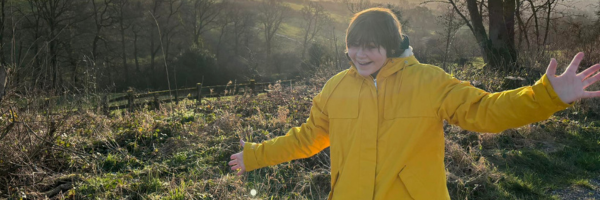
More and more people are living longer with glioblastoma thanks to medical advances. And no matter what the statistics say, every person’s journey is unique. Take Hannah for example – she was 19 when diagnosed, Glioblastoma is one of the rarest brain cancers in children and teenagers, making up less than 3% of all childhood brain tumours.